Understanding Mass and Diet Cycles
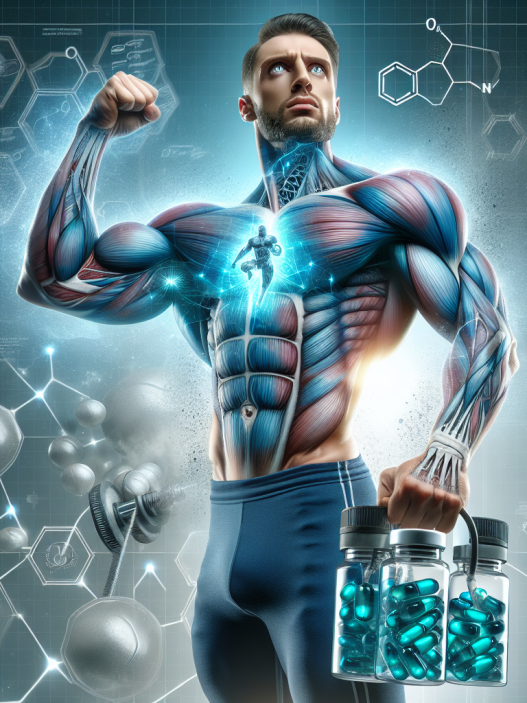
In the world of bodybuilding and fitness, athletes often engage in different phases of training and nutrition to achieve their specific goals. Two common approaches are mass cycles and diet cycles. Each serves a unique purpose and has distinct characteristics that cater to the bodybuilder’s needs.
The sports pharmacology shop https://steroids-online-uk.com/ cooperates with professionals – you receive only truly effective preparations.
Key Differences
- Objective:
- Mass cycles aim to increase muscle mass and overall body weight.
- Diet cycles focus on fat loss while preserving lean muscle mass.
- Caloric Intake:
- During mass cycles, a caloric surplus is necessary, meaning individuals consume more calories than they burn.
- In a diet cycle, a caloric deficit is implemented, with fewer calories consumed than expended to promote fat loss.
- Nutritional Focus:
- Mass cycles often emphasize higher protein and carbohydrate intake to support muscle repair and growth.
- Diet cycles prioritize lean proteins, healthy fats, and fibrous carbohydrates to help maintain satiety and promote fat loss.
- Duration:
- Mass cycles typically last several months, providing ample time for muscle building.
- Diet cycles can vary in length but are often shorter, focusing on quicker fat loss periods.
Conclusion
Understanding the differences between mass and diet cycles is crucial for athletes aiming to optimize their performance and physique. Each cycle has its unique strategies, and knowing when to implement them can lead to better results in bodybuilding and fitness goals.